Decoding Your CGM: Understanding the Numbers
Unlock the full potential of your Continuous Glucose Monitor with Ironbound Wellness.
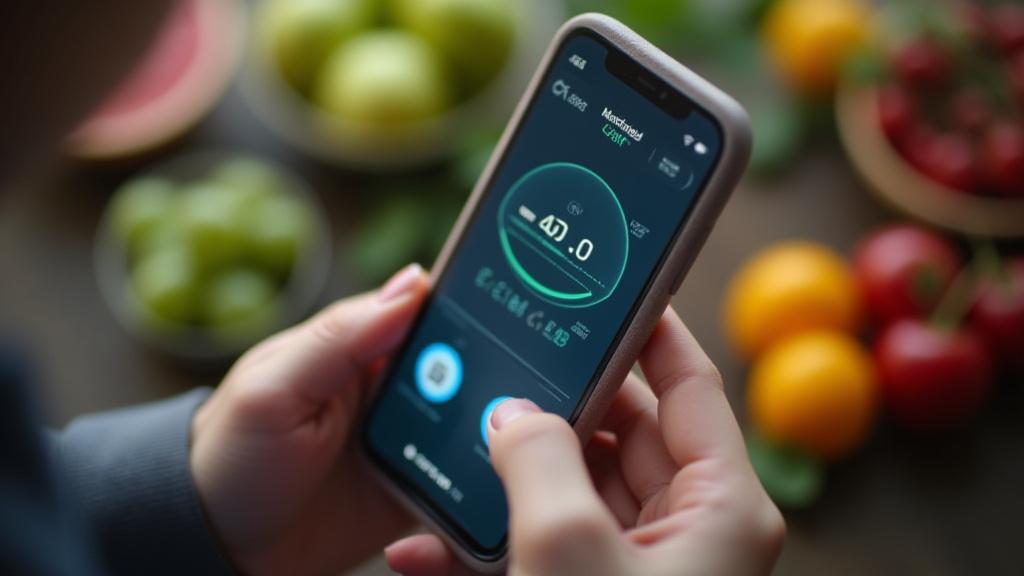
Continuous Glucose Monitors (CGMs) have revolutionized diabetes management, offering a real-time window into your body's glucose levels. But seeing the numbers is just the first step. Understanding what they mean and how to act on them is where the real power lies. At Ironbound Wellness, we help you move beyond simple fingersticks to gain profound insights from your CGM data.
Key Metric 1: Time in Range (TIR) - Your Gold Standard
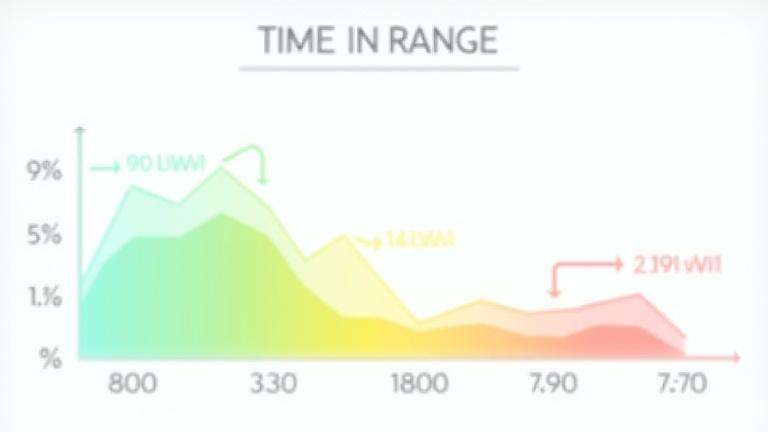
Time in Range (TIR) is increasingly recognized as a crucial metric for evaluating glucose control. It represents the percentage of time your glucose levels spend within a target range (typically 70-180 mg/dL or 3.9-10.0 mmol/L). A higher TIR signifies better glucose control and a reduced risk of long-term complications.
- Why it matters: TIR provides a holistic view of your day-to-day glucose patterns, offering more insight than a single A1C value.
- How to improve: Consistent meal timing, balanced nutrition, regular physical activity, and appropriate medication (if prescribed) are all vital.
Key Metric 2: Glucose Variability (GV) - Minimizing the Swings
Glucose Variability (GV) refers to the fluctuations in your blood glucose levels. High variability, characterized by frequent and drastic swings between high and low glucose, can be detrimental to health and contribute to feelings of fatigue, irritability, and impact overall well-being. CGM provides tools to track GV, such as Standard Deviation (SD) or Coefficient of Variation (CV).
- Understanding GV: A high SD or CV suggests unpredictable glucose patterns.
- Strategies for stability: Focus on whole foods, limit processed sugars, stay hydrated, manage stress, and ensure consistent physical activity.
Interpreting Trend Arrows: What Do They Really Mean?
One of the most valuable features of a CGM is its real-time trend arrows, which indicate the direction and rate of change in your glucose levels. Learning to interpret these arrows can empower you to make proactive decisions.
Double Up Arrow (Rapid Rise)
Glucose rapidly increasing. Consider a small amount of rapid-acting insulin if advised by your healthcare provider, or adjust activity.
Single Up Arrow (Gradual Rise)
Glucose steadily increasing. Monitor closely, adjust food intake, or consider light activity.
Horizontal Arrow (Stable)
Glucose is stable. Continue monitoring, no immediate action needed.
Single Down Arrow (Gradual Fall)
Glucose steadily decreasing. Consider a small snack or observe for potential lows.
Double Down Arrow (Rapid Fall)
Glucose rapidly decreasing. Act quickly to prevent a low, consume fast-acting carbohydrates.
Diagonal Arrow
Glucose is rising or falling moderately. Be aware and plan accordingly.
Conclusion: Proactive, Not Reactive Decisions
Your CGM is more than just a device; it's a powerful tool for gaining control over your diabetes journey. By understanding Time in Range, Glucose Variability, and trend arrows, you can shift from a reactive approach to a proactive one, making informed decisions about your nutrition, activity, and medication.
Don't navigate your CGM data alone. Ironbound Wellness specializes in helping individuals interpret their unique glucose patterns and develop personalized strategies for optimal health.