The Mind-Body Connection: How Stress Impacts Your Blood Sugar
It's not just about what you eat. Discover the powerful, often overlooked, role of stress in managing your diabetes.
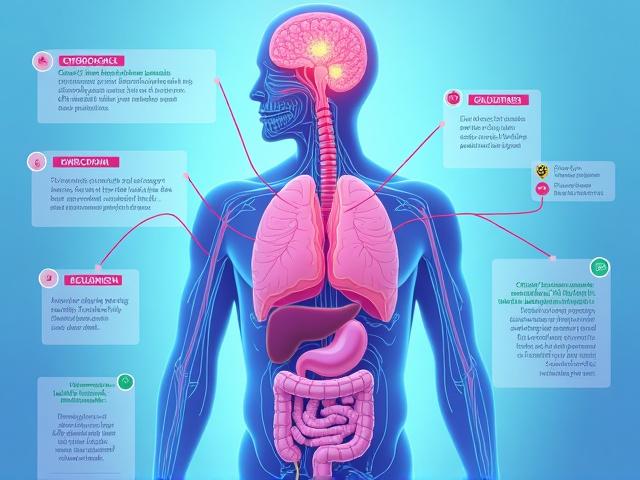
The Science: Stress Hormones and Your Blood Sugar
When you experience stress, your body instinctively releases hormones like cortisol and adrenaline as part of the 'fight or flight' response. While necessary for survival in dangerous situations, chronic elevation of these hormones has significant implications for blood sugar regulation.
- Cortisol: Raises blood glucose by increasing glucose production in the liver and making cells more resistant to insulin.
- Adrenaline: Triggers the rapid release of glucose into the bloodstream, preparing your body for immediate action. Over time, this constant surge can disrupt stable blood sugar.
Understanding this biological response is the first step towards taking control.
Practical Techniques for Stress Reduction

Fortunately, there are many effective ways to mitigate stress. Incorporating even a few minutes of these practices daily can make a significant difference:
-
Mindfulness & Meditation: Even 5-10 minutes of guided meditation or focusing on your breath can calm the nervous system.
-
Deep Breathing Exercises: Simple techniques like box breathing can quickly lower heart rate and reduce stress hormones.
-
Gentle Physical Activity: Walks, yoga, or light stretching release endorphins and help manage stress without spiking blood sugar.
-
Journaling: Writing down thoughts and feelings can provide clarity and reduce mental load.
The Critical Role of Sleep
Often overlooked, sufficient and restorative sleep is a cornerstone of effective stress and diabetes management. Poor sleep acts as a significant physiological stressor, increasing cortisol levels and negatively impacting insulin sensitivity.
Aim for 7-9 hours of quality sleep per night. Establish a consistent sleep schedule, create a relaxing bedtime routine, and optimize your sleep environment to support healthy blood sugar levels and overall well-being.

Integrate Stress Management into Your Diabetes Care
Managing diabetes effectively means looking beyond just diet and exercise. By actively addressing stress, you empower yourself to achieve better blood sugar control and a higher quality of life.
Ready to explore personalized strategies for stress reduction and holistic diabetes management?
Discover Personalized Lifestyle Coaching